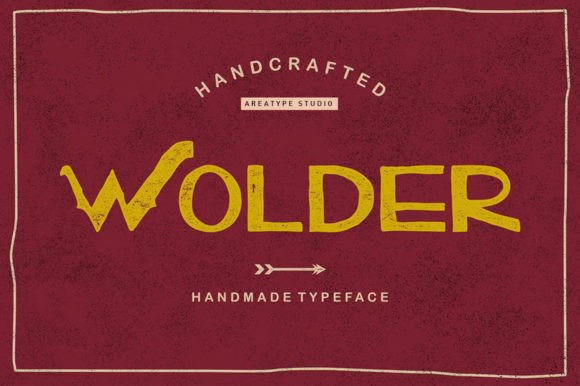
Wolder: The Vintage Display Font That Elevates Handmade Design
I was sitting at my desk one morning, sipping coffee and staring at a half-finished candle label mockup on my screen. The design was clean, the colors were warm, but something was missing. Then I remembered Wolder — that elegant, old-fashioned display font I had downloaded weeks ago. I swapped in the font, and instantly, the label felt like it had a story to tell. It was no longer just a product tag — it was part of a curated experience.
What Makes Wolder Special?
Wolder is a display font with vintage charm and timeless elegance. Its serif structure and decorative flourishes evoke a sense of nostalgia, like handwritten signage from a 1920s apothecary or a rustic farmhouse label. It’s not meant for long paragraphs, but for short, impactful text — names, titles, quotes, and branding elements that need to stand out.
What really sets Wolder apart is its personality. It feels handmade, even when digitally applied. Whether you're printing on kraft paper or designing a digital download, Wolder brings warmth and character that modern sans serifs just can’t match.
Bringing Wolder Into Real Projects
Since that candle label breakthrough, I’ve used Wolder across a variety of handmade and printable projects. Here’s how it’s shown up in my creative workflow:
- Candle Labels: Perfect for apothecary-style branding. I paired it with a clean sans serif for the scent name and it gave my product a boutique feel.
- Wedding Invitations: Wolder adds a romantic touch to the couple’s names and event title. I used it for the main header and a script font for the body text.
- Printable Wall Art: I created a “Welcome Home” sign using Wolder as the main text. The vintage vibe worked beautifully with farmhouse decor themes.
- Boutique Tags: For handmade soap packaging, I used Wolder in a smaller size. It held up well for laser cutting and looked great on kraft tags.
- Digital Downloads: In Canva and Illustrator, Wolder adds a premium touch to planner pages and seasonal printables. Customers love the curated aesthetic.
Designing With Wolder: Practical Tips
When working with Wolder, keep in mind that it’s best for display use. Don’t try to use it in long paragraphs or tiny text. Instead, let it shine in titles, headers, and brand names.
For cutting machines like Cricut or Silhouette, test Wolder on a sample before committing to your final material. Some of the finer serifs can be delicate, especially at smaller sizes. Adjust your settings or slightly increase the size for better readability.
If you're using Wolder for product labels or stickers, make sure to check the included styles. Wolder often comes with alternates and ligatures that can enhance your design or help avoid letter clashes.
Pairing Wolder With Other Fonts
One of the joys of working with display fonts is experimenting with font pairings. Wolder pairs beautifully with:
- Simple Sans Serifs: Like Montserrat or Lato for clean, modern contrast.
- Classic Serifs: Try pairing with Georgia or Playfair Display for a fully vintage editorial look.
- Script Fonts: Use a flowing script like Pacifico or Great Vibes for wedding or event designs.
- Handwritten Fonts: For a playful yet elegant combo, try a soft handwritten font like Quicksand or Nunito.
The key is balance. Let Wolder be the star, and choose supporting fonts that complement its personality without competing.
Why Wolder Works for Handmade Sellers
As a maker or seller, your product presentation matters. Wolder helps elevate your designs from generic to boutique. Whether it’s on a candle jar or a digital greeting card, this font adds a layer of perceived quality and intentionality.
It also supports brand consistency. Once customers see Wolder on your packaging or social media graphics, they begin to associate that visual style with your shop. Over time, this builds recognition and trust — two powerful assets for any small business.
Checking Licensing and File Types
Before using Wolder in commercial products, always double-check the licensing. Most premium display fonts allow for commercial use, but it’s important to confirm whether you can use it in physical products, digital templates, or SVG files for cutting machines.
Also, review the file types included. Wolder typically comes in OTF and TTF formats, which are compatible with most design software. If you’re using it for printables or digital downloads, make sure you have the rights to embed or distribute the font as needed.
Final Thoughts
Wolder has become a staple in my design toolkit. Whether I’m creating a rustic label or a romantic wedding invitation, this display font always brings the right mix of charm and sophistication. If you’re a crafter, seller, or printable creator looking to add vintage flair to your work, Wolder is definitely worth trying — and once you do, you’ll likely find yourself reaching for it again and again.